
Practice Area — Catastrophic Injury Puyallup Amputation & Catastrophic Loss of Limb Injury Attorneys Greene & Lloyd is a Puyallup, WA personal injury firm representing people who have lost a…
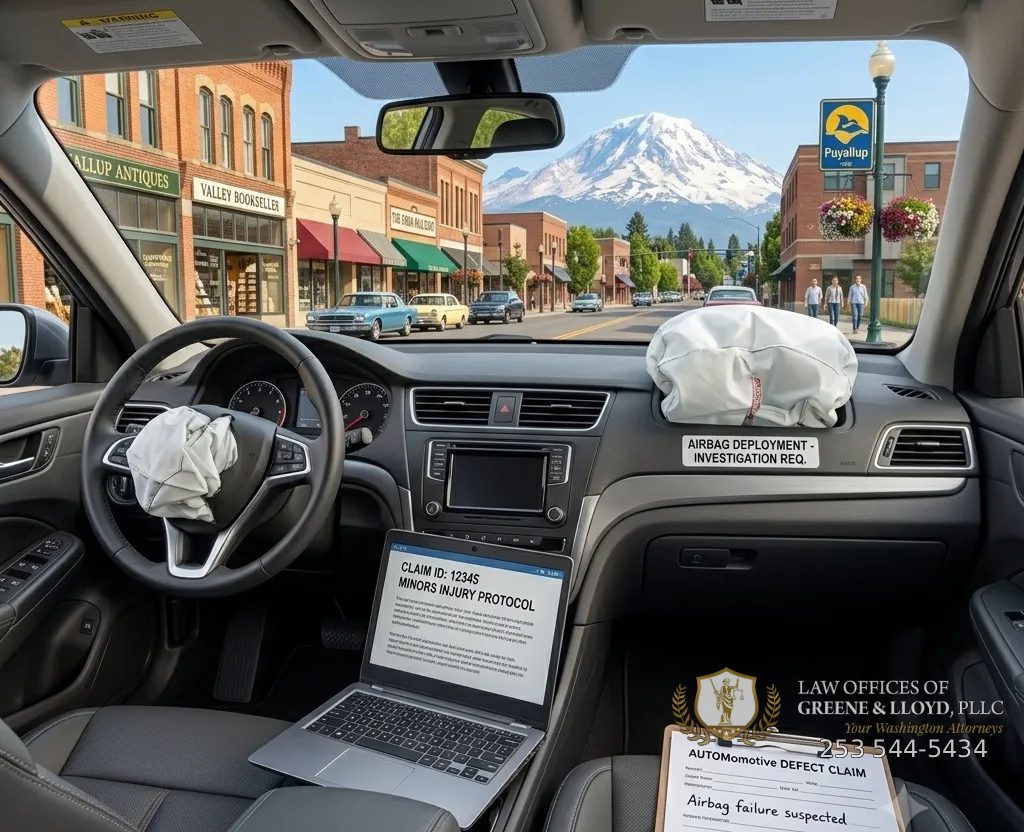
Practice Area — Product Liability Automotive Defect Claims When a defective vehicle part causes a crash or makes injuries worse, Greene & Lloyd holds the manufacturer accountable. Faulty brakes, airbags,…
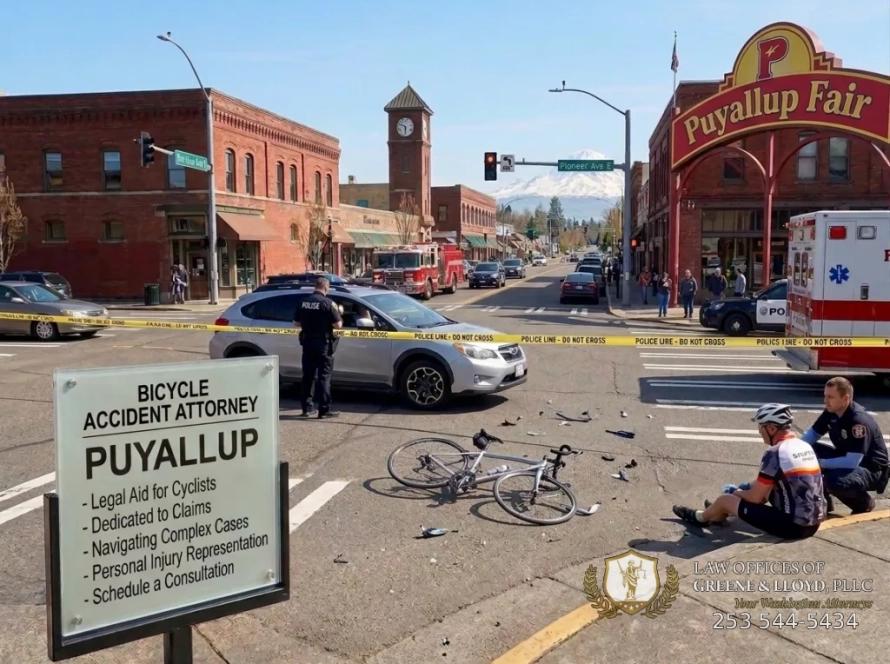
Practice Area — Bicycle Accidents Bicycle Accident Attorney Hurt in a bike crash in Puyallup? Greene & Lloyd represents cyclists injured by negligent drivers. We prove the driver’s fault, deal…
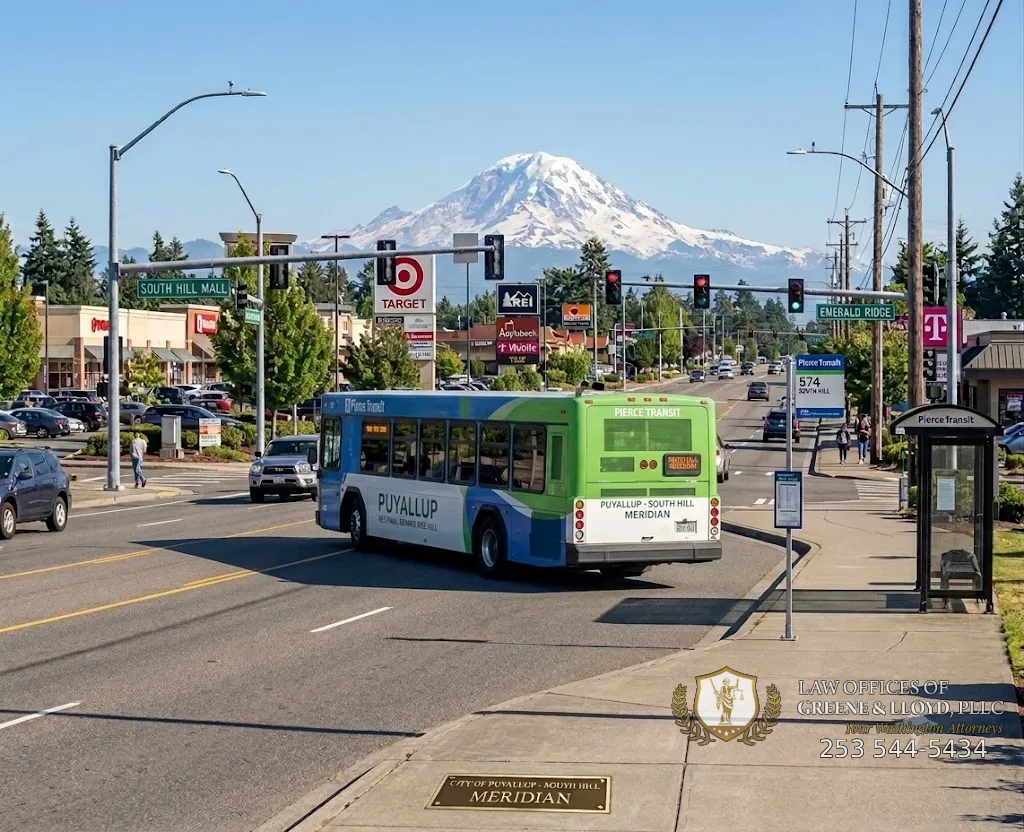
Practice Area — Bus Accidents Bus Accident Attorney Hurt in a bus crash in Puyallup? Greene & Lloyd protects your claim from day one. Bus cases are more complicated than…
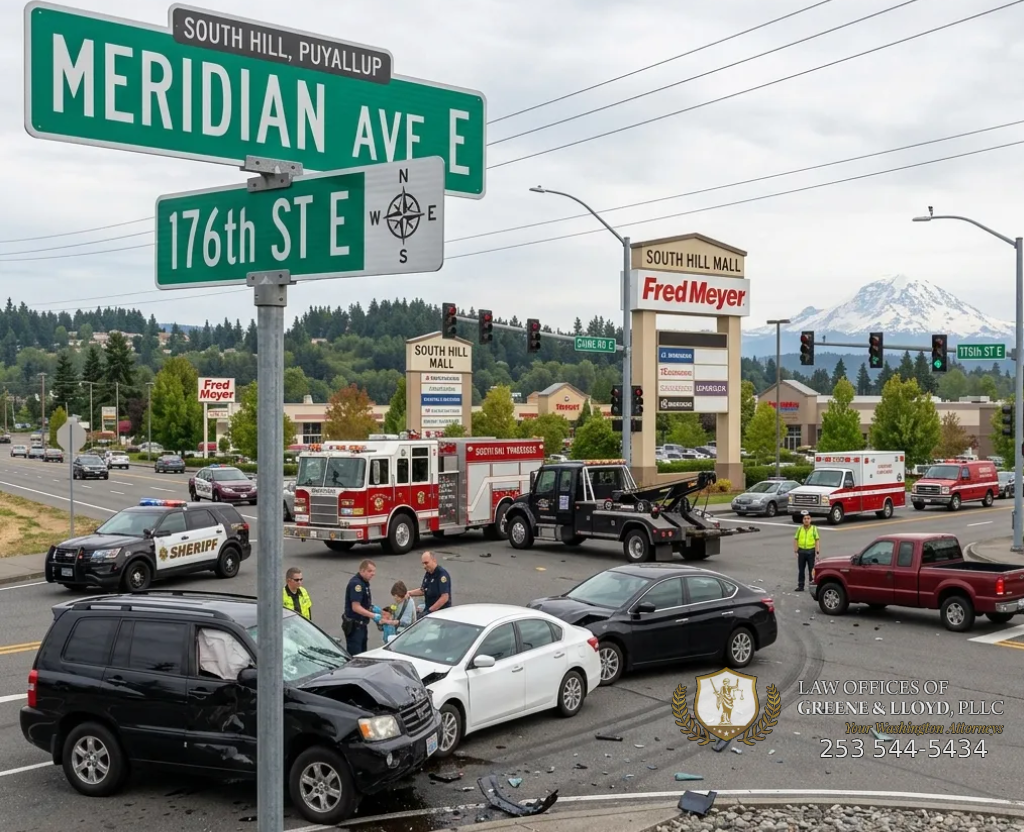
Practice Area — Car Accidents Car Accident Attorney Hurt in a car accident in Puyallup? Greene & Lloyd deals with the insurers so you can focus on recovering. From rear-end…
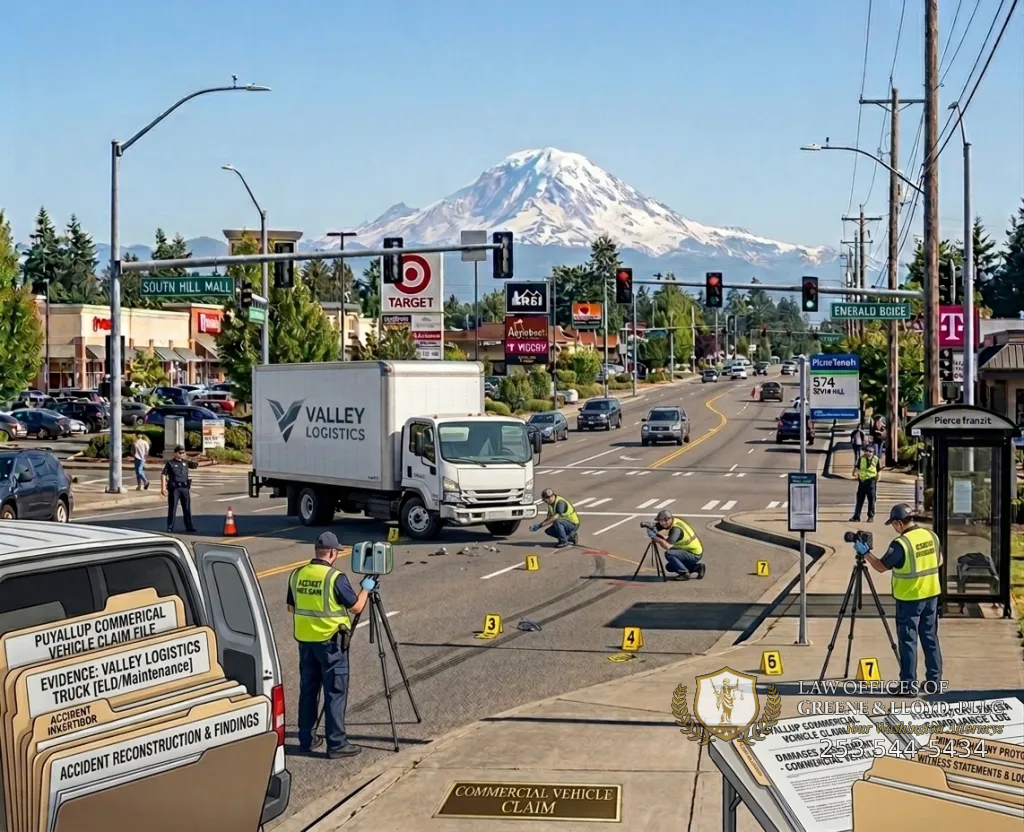
Practice Area — Commercial Vehicle Accidents Commercial Vehicle Accident Claims Hit by a truck, delivery van, or company vehicle in Puyallup? These claims aren’t like an ordinary fender-bender. Commercial crashes…
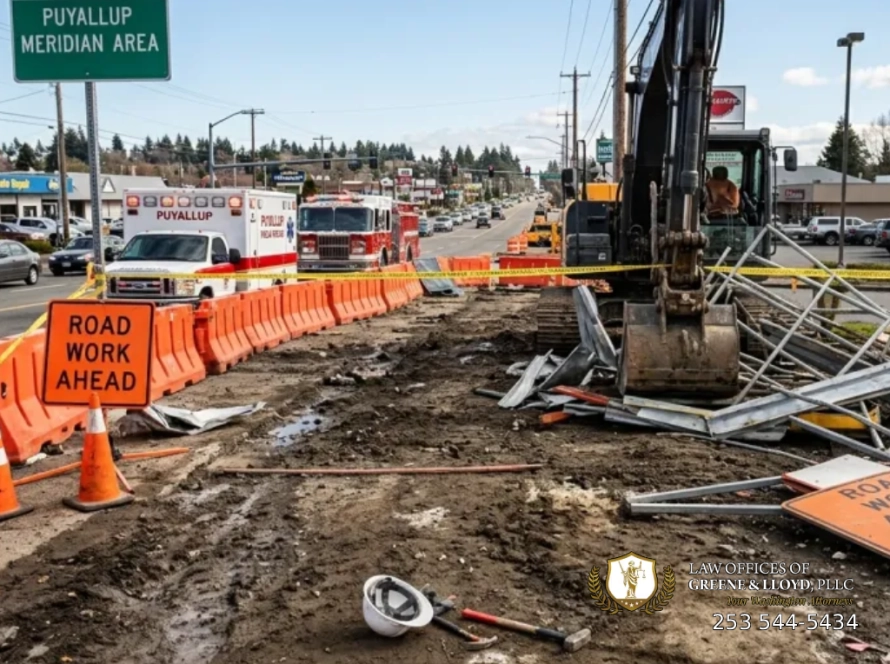
Falls, equipment failures, and jobsite hazards leave workers with serious injuries. We pursue every source of recovery beyond a standard workers’ comp claim. Practice Area — Construction Injuries Construction Accident…
Practice Area — Daycare & Childcare Injuries Daycare Injury Claims If your child was hurt at a Puyallup daycare, you deserve a straight answer about whether it was negligence. Not…
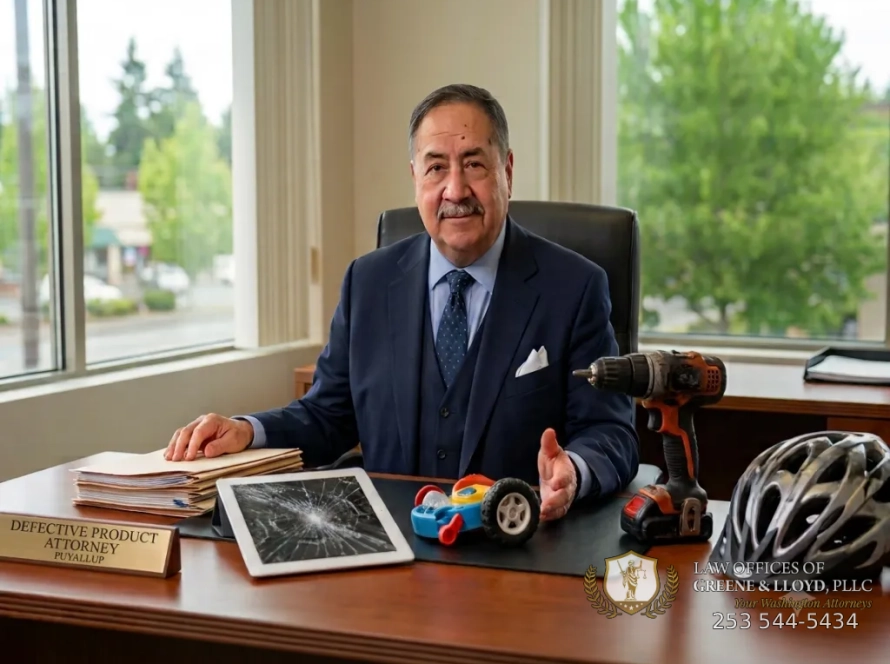
Practice Area — Product Liability Defective Product Attorney Injured by a defective appliance, tool, vehicle part, or consumer product? The manufacturer may be responsible — even if a warranty replacement…
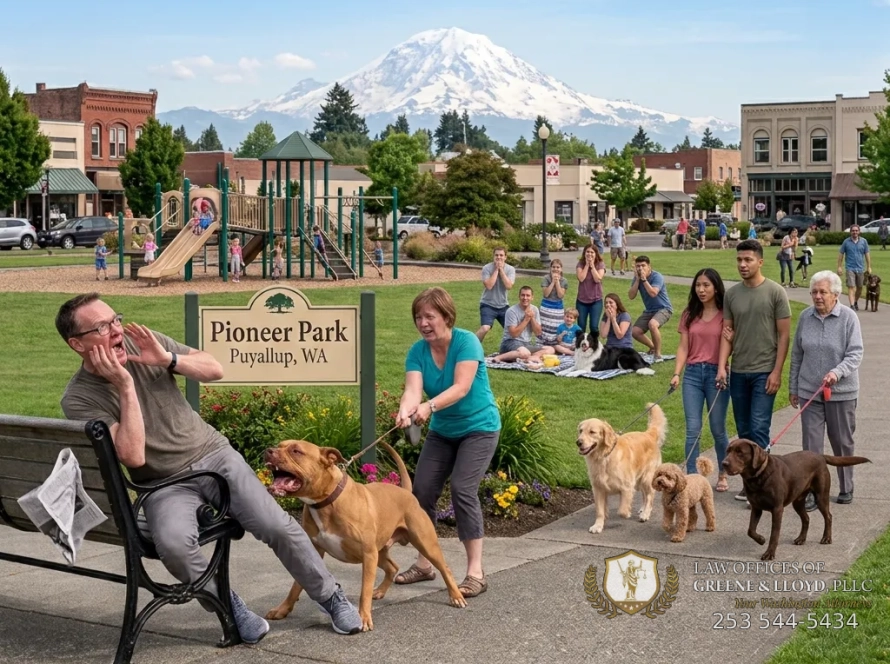
Practice Area — Dog Bite Injuries Dog Bite Attorney Bitten by a dog in Puyallup? Washington holds dog owners strictly responsible — even if the dog never bit anyone before.…
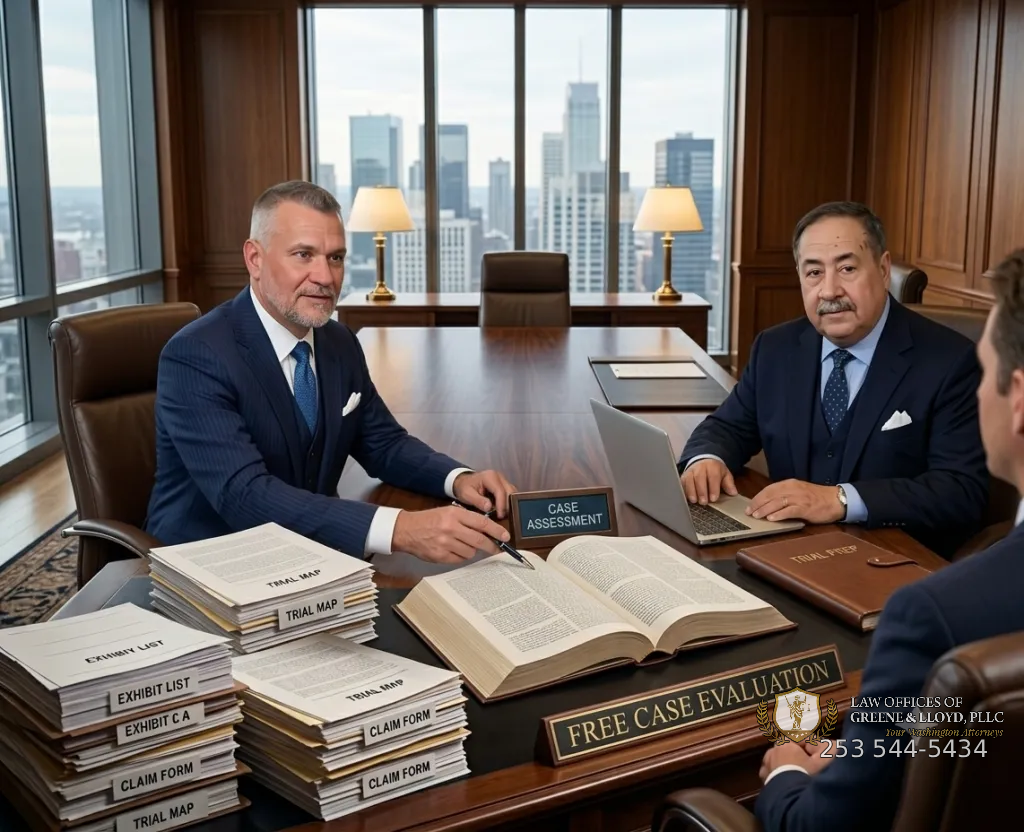
No Cost · No Obligation · Available 24/7 Free Case Evaluation Before you talk to the insurance company, talk to us. A free case evaluation with attorneys Rob Lloyd and…
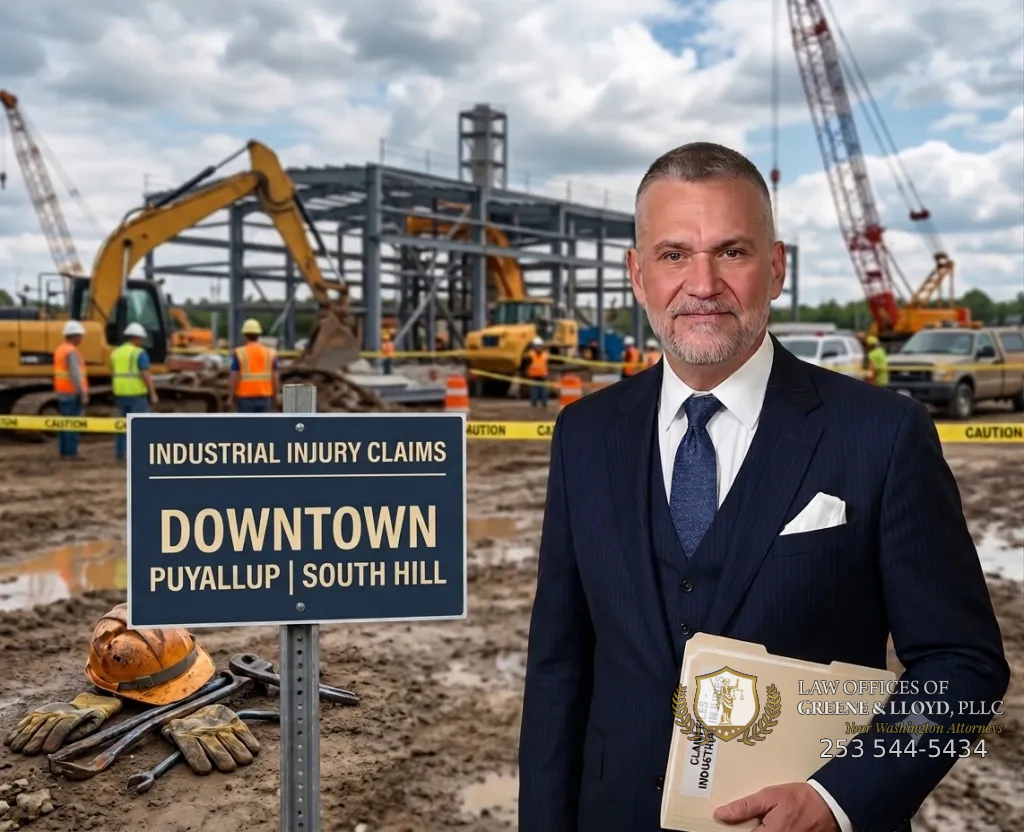
Practice Area — Industrial & Workplace Injuries Industrial Injury Claims Hurt on the job in Puyallup? Your L&I claim may not be the only recovery available to you. Washington’s workers’…

Service — Insurance Negotiation Insurance Negotiation The first offer from an insurance company is rarely the right one. Insurers open low and adjust based on the strength of the claim…

When a fair settlement isn’t on the table, we’re prepared to take your case to court and present it to a jury with full trial representation. Service — Litigation &…
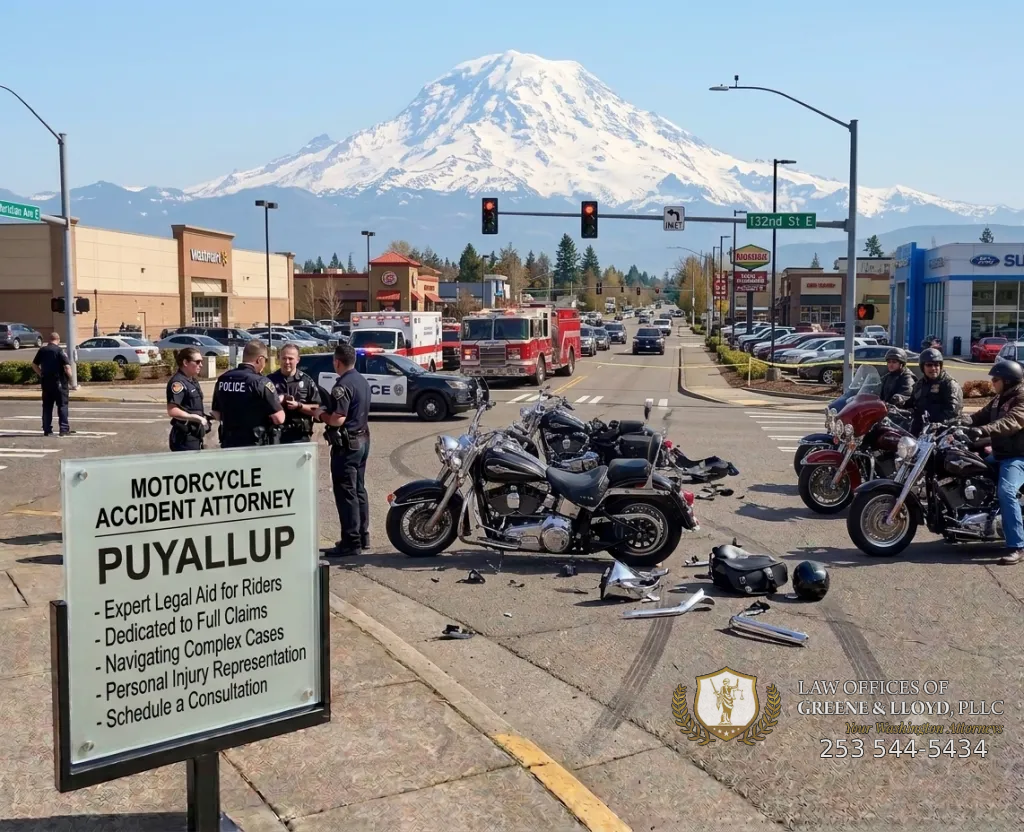
Practice Area — Motorcycle Accidents Motorcycle Accident Attorney Injured in a motorcycle crash near Puyallup? The insurer’s assumption that you were at fault — just for being on a bike…
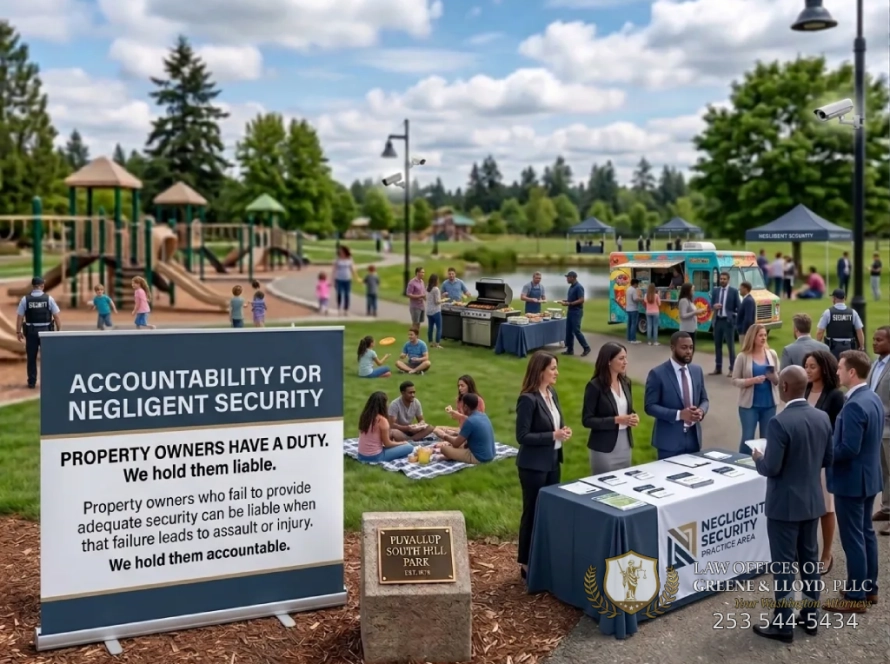
Practice Area — Negligent Security Negligent Security Claims If you were assaulted or injured because a property owner failed to provide adequate security, that owner may be legally responsible —…
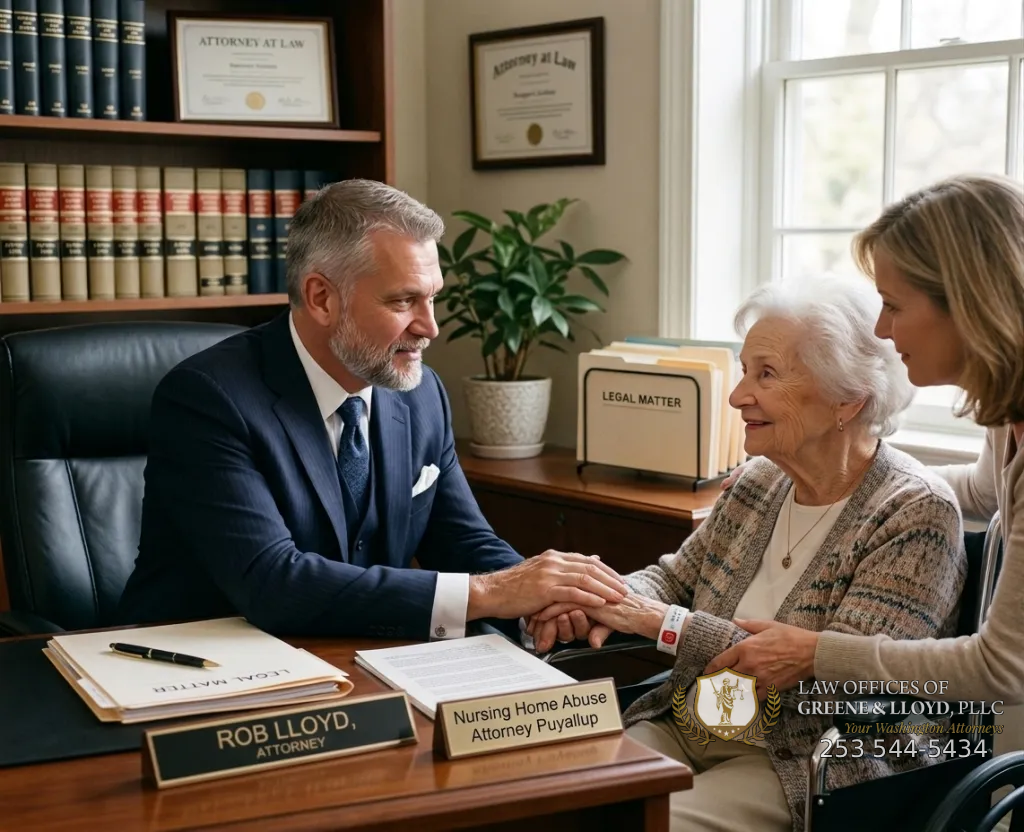
Practice Area — Nursing Home Abuse & Neglect Nursing Home Abuse Attorney If you suspect a loved one is being abused or neglected in a Puyallup-area care facility, trust that…
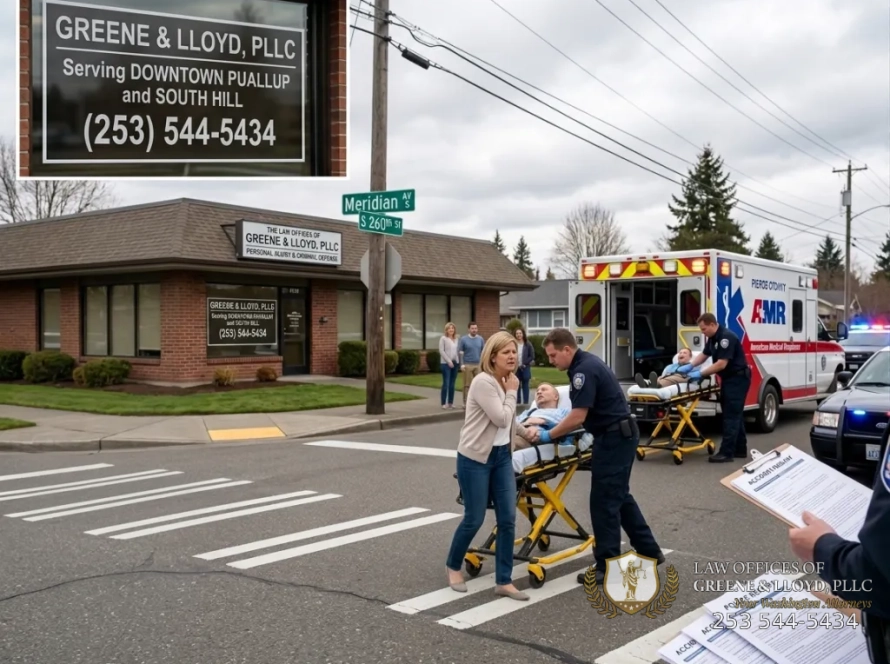
Practice Area — Pedestrian Accidents Pedestrian Accident Attorney Hit by a car while walking in Puyallup? Pedestrians have strong legal protections — and no structural protection at all. Injuries from…
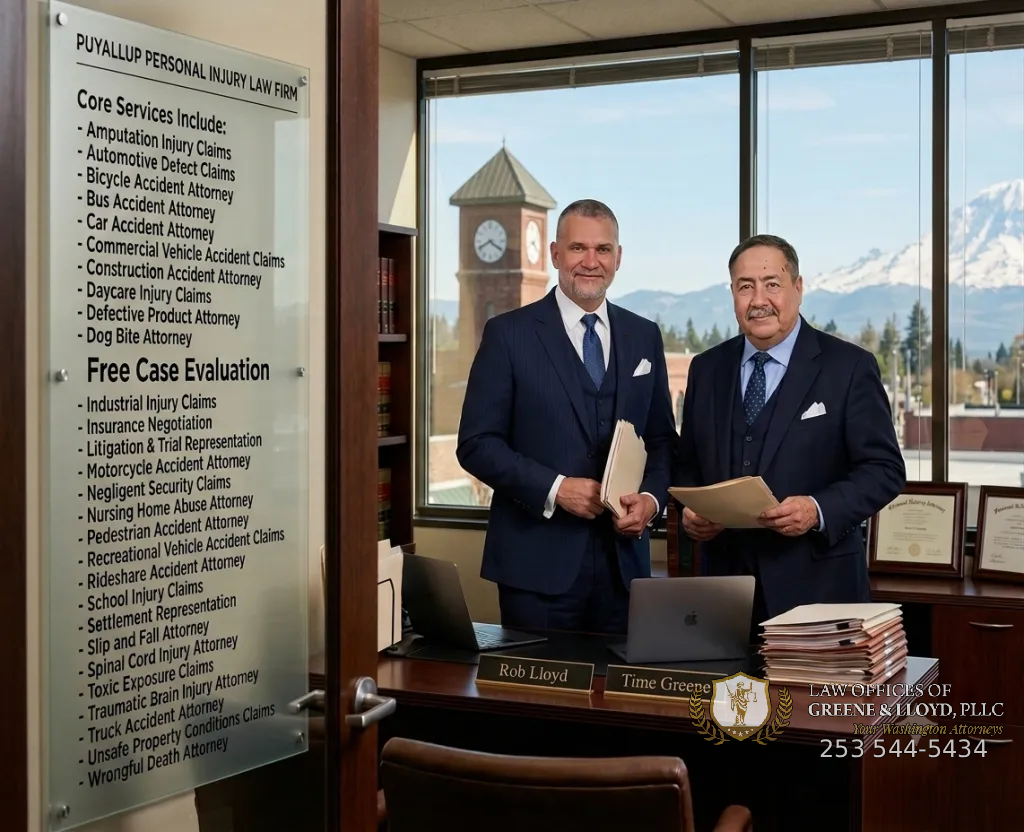
Puyallup, WA — Personal Injury Law Personal Injury Attorney Greene & Lloyd is a Puyallup, WA personal injury law firm representing accident and injury victims across Pierce County. When someone…
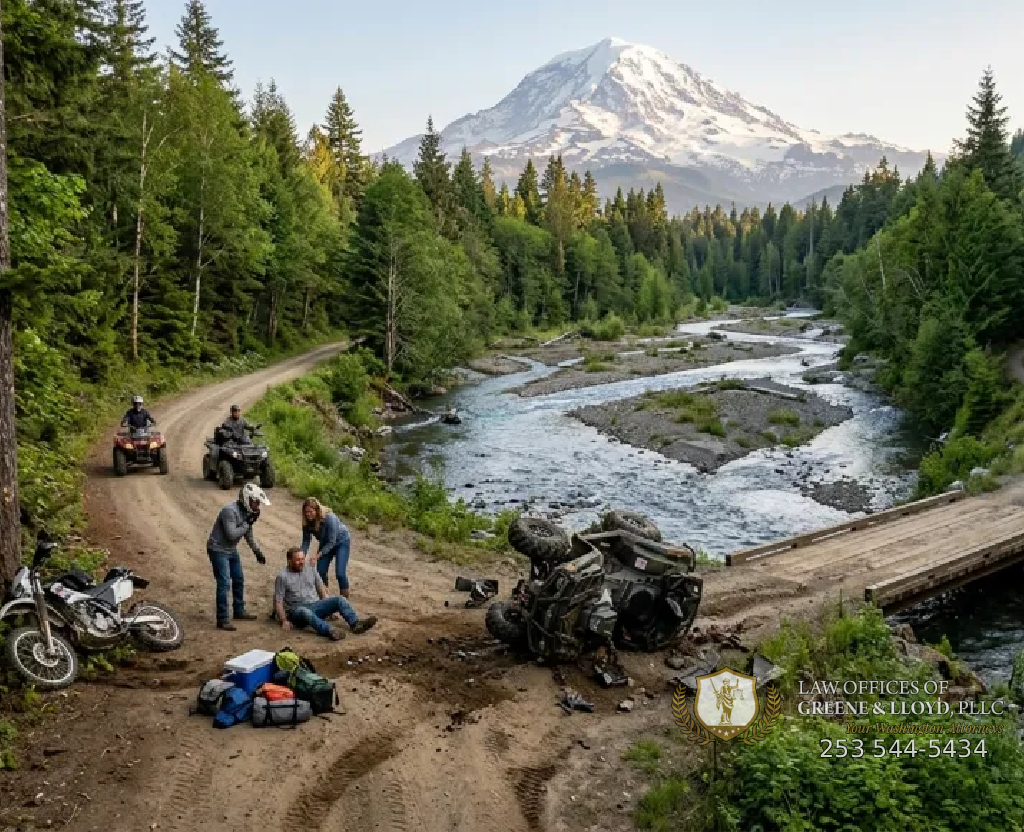
Practice Area — Recreational Vehicle Accidents Recreational Vehicle Accident Claims Hurt in an ATV, dirt bike, RV, golf cart, or other recreational vehicle crash near Puyallup? Even a single-vehicle crash…
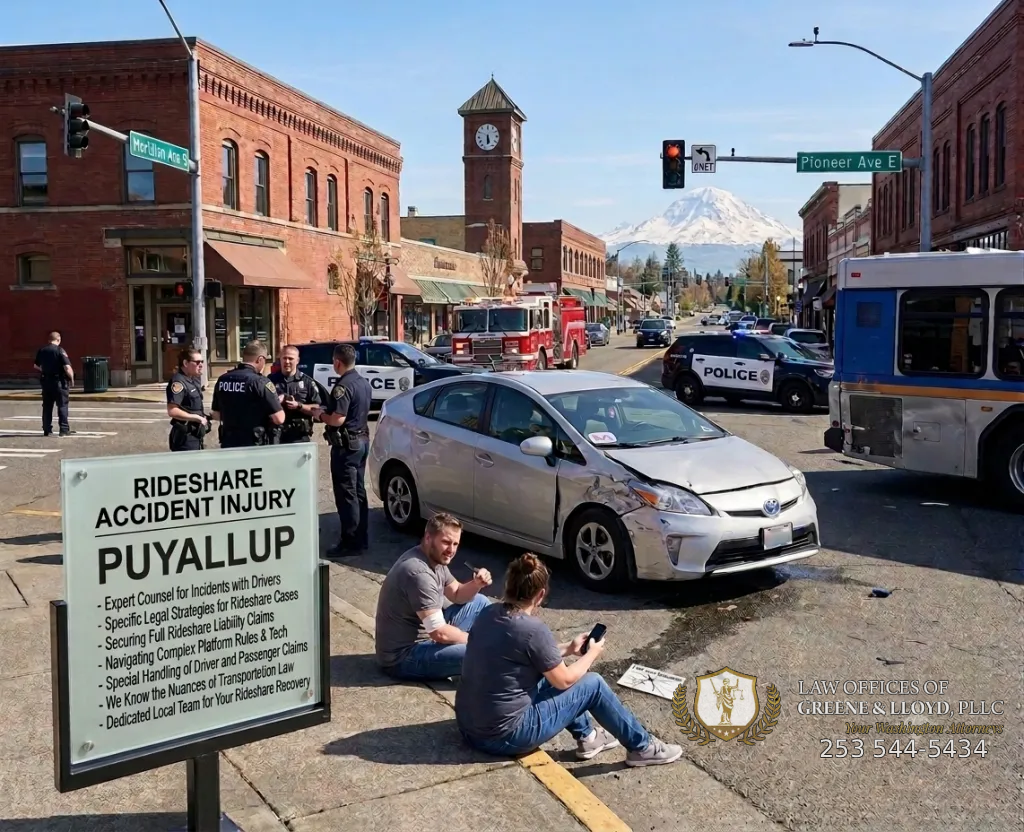
Practice Area — Rideshare Accidents Rideshare Accident Attorney Hurt in an Uber or Lyft crash near Puyallup? Which insurance applies depends entirely on what the driver was doing in the…
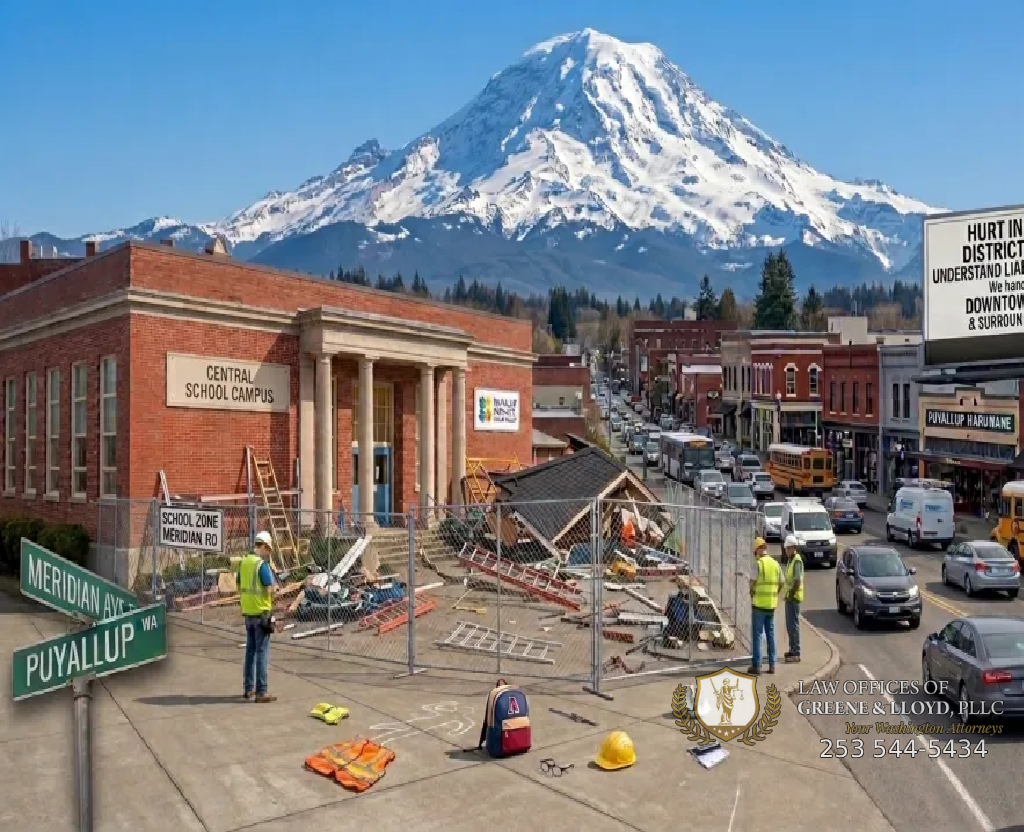
Practice Area — School Injuries School Injury Claims If your child was seriously injured at a Puyallup school, you need to know one thing most families don’t: claims against public…
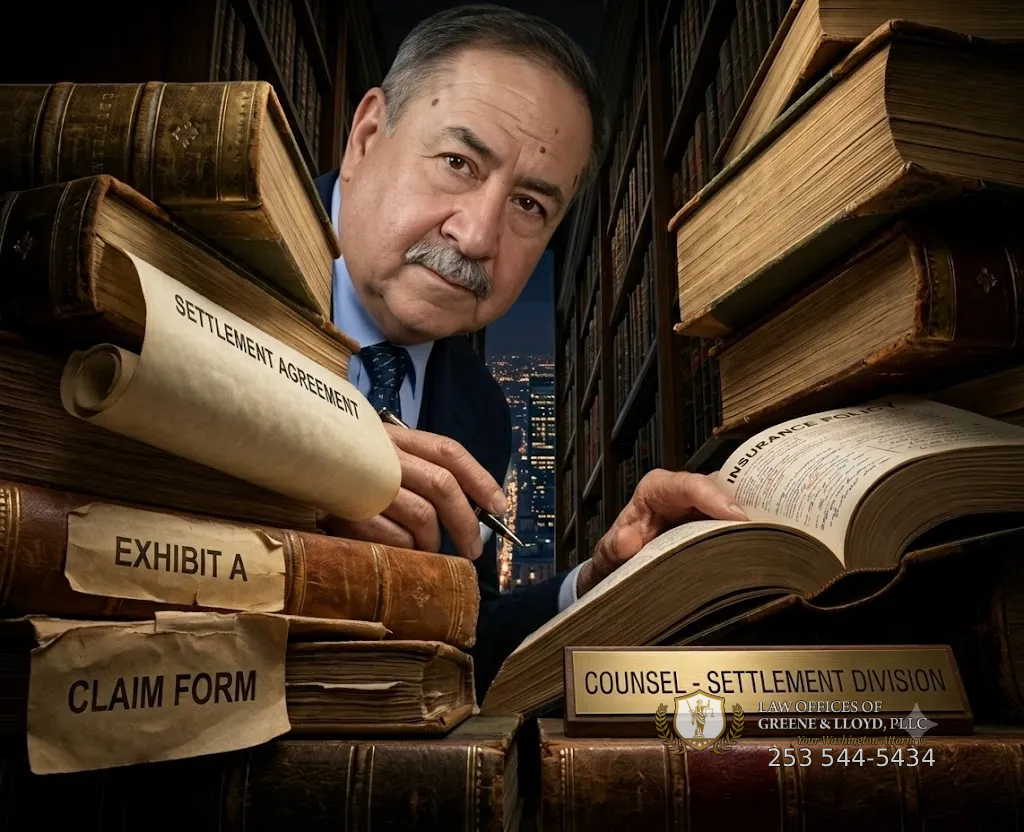
Service — Settlement Representation Settlement Representation If an insurer has made you a settlement offer, the most important thing to know is this: a received offer is not an obligation.…

Practice Area — Slip & Fall / Premises Liability Slip and Fall Attorney Injured in a fall at a Puyallup store, parking lot, or someone else’s property? The question isn’t…
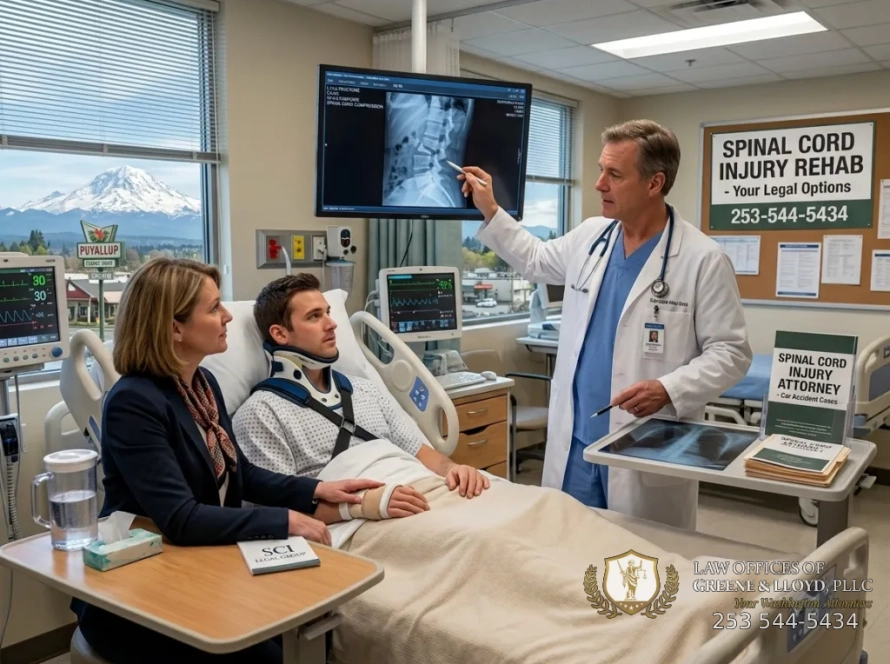
Practice Area — Spinal Cord Injury Spinal Cord Injury Attorney A spinal cord injury changes everything — and a claim that doesn’t account for a lifetime of care, equipment, and…
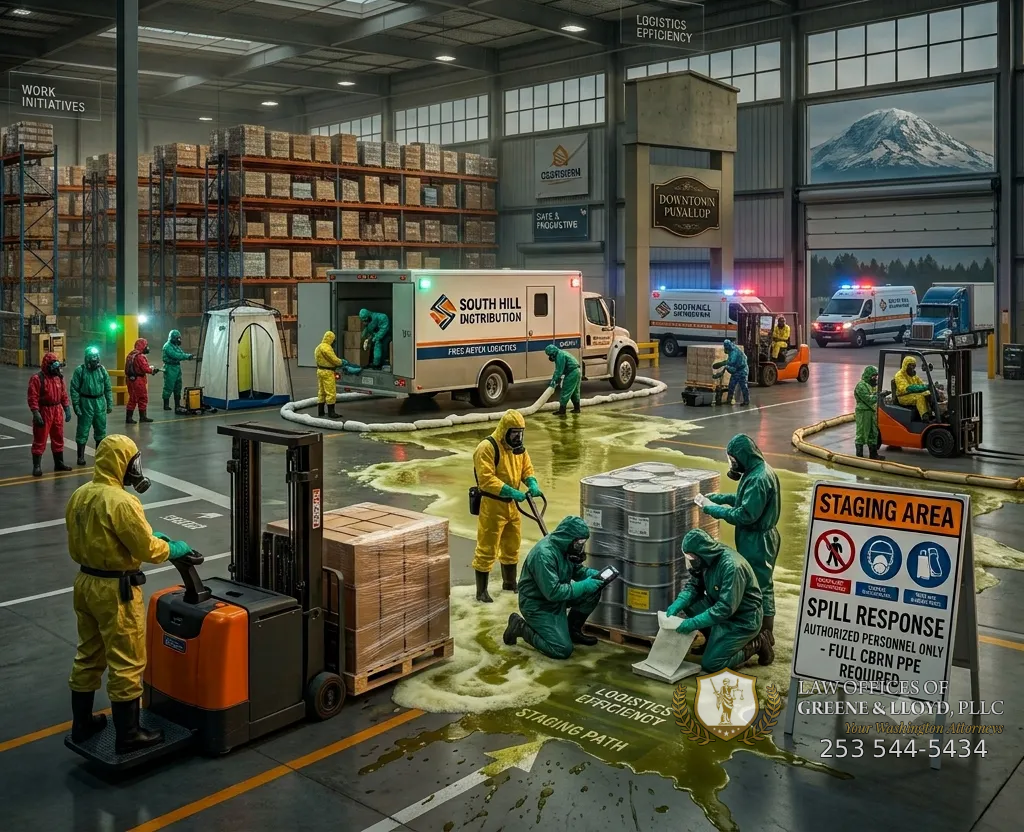
Practice Area — Toxic Exposure Toxic Exposure Claims Injured by chemicals, pesticides, contaminated water, or workplace toxins near Puyallup? The filing clock on a toxic exposure claim may run from…
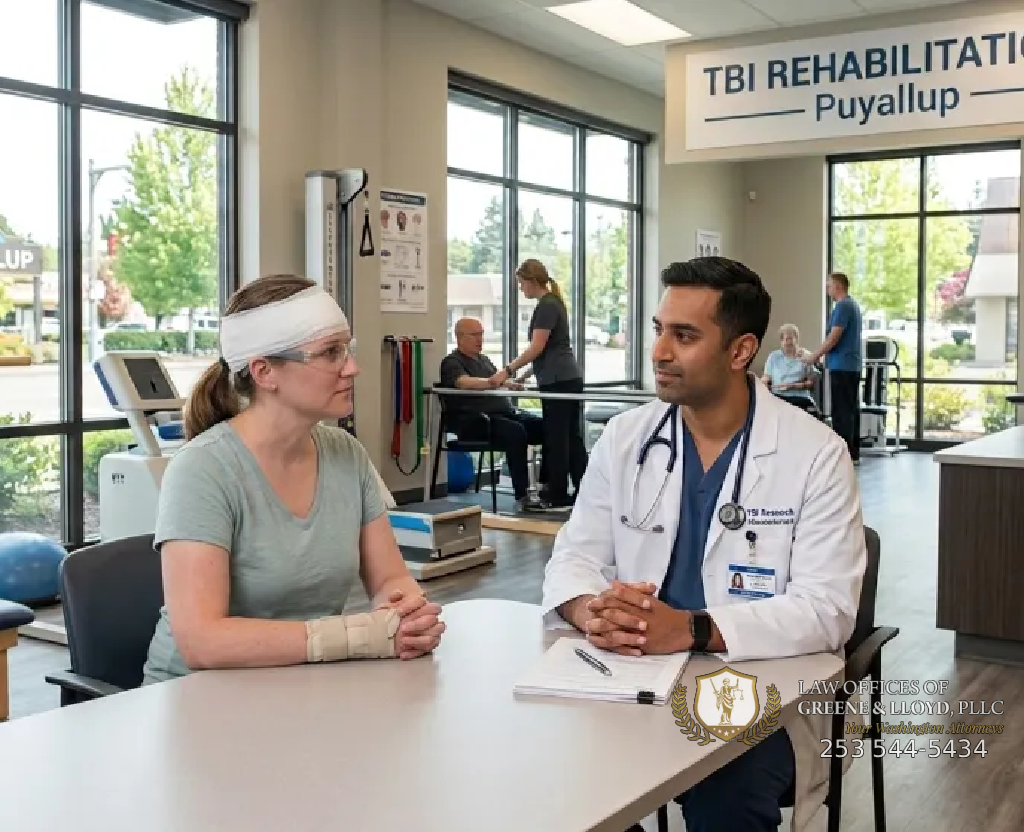
Practice Area — Traumatic Brain Injury Traumatic Brain Injury Attorney TBI symptoms are often subtle, delayed, and easy to miss in the first days after a crash or fall —…
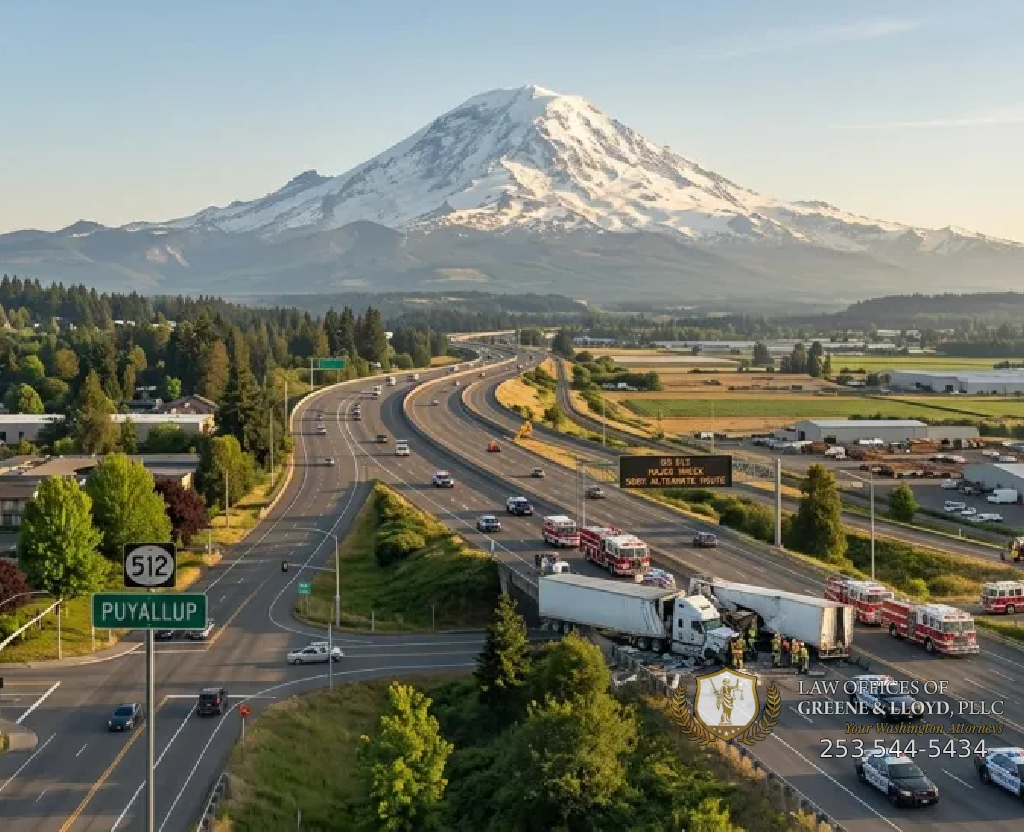
Practice Area — Truck Accidents Truck Accident Attorney A crash with a semi-truck isn’t like a two-car accident. The carrier’s insurer has a $750,000+ policy to protect, sends investigators immediately,…
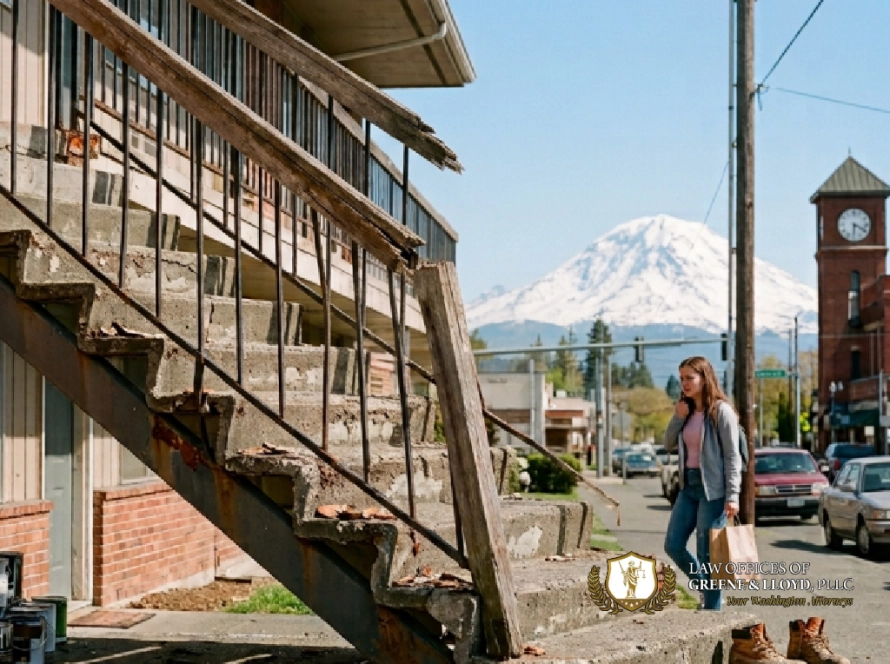
Practice Area — Premises Liability Unsafe Property Conditions Claims Injured by a broken stair, defective railing, inadequate lighting, or another hazard on someone else’s property in Puyallup? Property owners have…
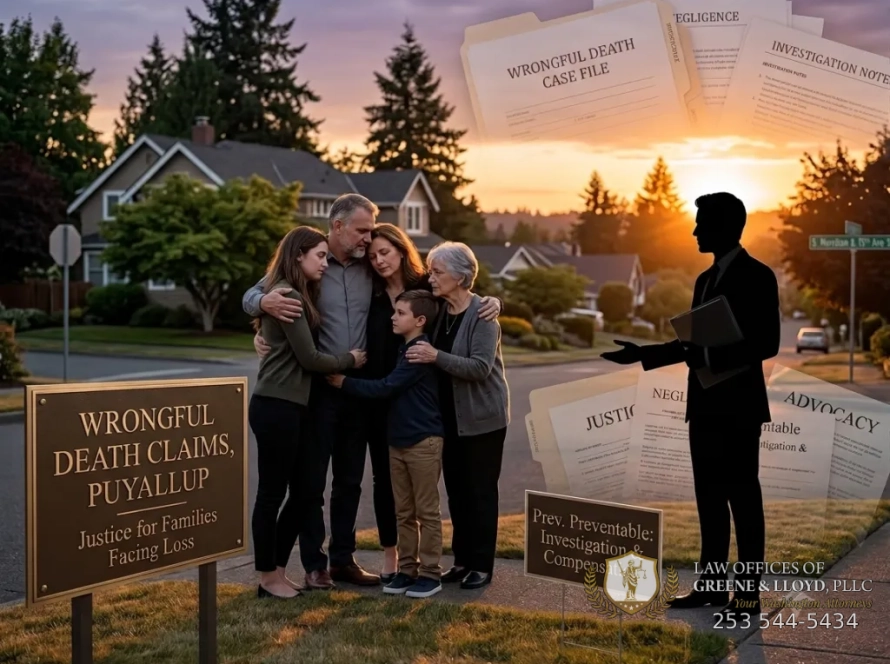
Practice Area — Wrongful Death Wrongful Death Attorney If you’ve lost a family member because of someone else’s negligence, Washington law gives surviving families the right to hold the responsible…
